Empowering Kibera’s Families Toward a Sustainable Future
In response to the 2025 funding crisis, we are transitioning vulnerable families from dependency to self-sustainability. Through artisanal training and global export opportunities, we empower parents to secure their children's health, nutrition, and education.
Our Story
In 2025, the global landscape of HIV care shifted. As USAID and other international donors pivoted funding away from direct medication support, a "treatment gap" emerged in Nairobi. On December 1st, 2025, data revealed a sharp increase in viral loads among Kibera residents due to inconsistent ARV access and poor nutrition.
INUA is the strategic bridge. By empowering parents from the 4 Crossing Thresholds schools to produce export-grade artisanal goods, we generate the independent capital needed to buy medication, provide nutrition, and keep children in school. We are moving from "Charity" to "Social Enterprise."
For years, Dr. Timothy and Crossing Thresholds have provided a lifeline through education. However, Dr. Joel identified a growing burden, children were dropping out of CT schools because their parents, burdened by HIV, could no longer work or afford basic care.
Our Work: Every Piece Powers Treatment
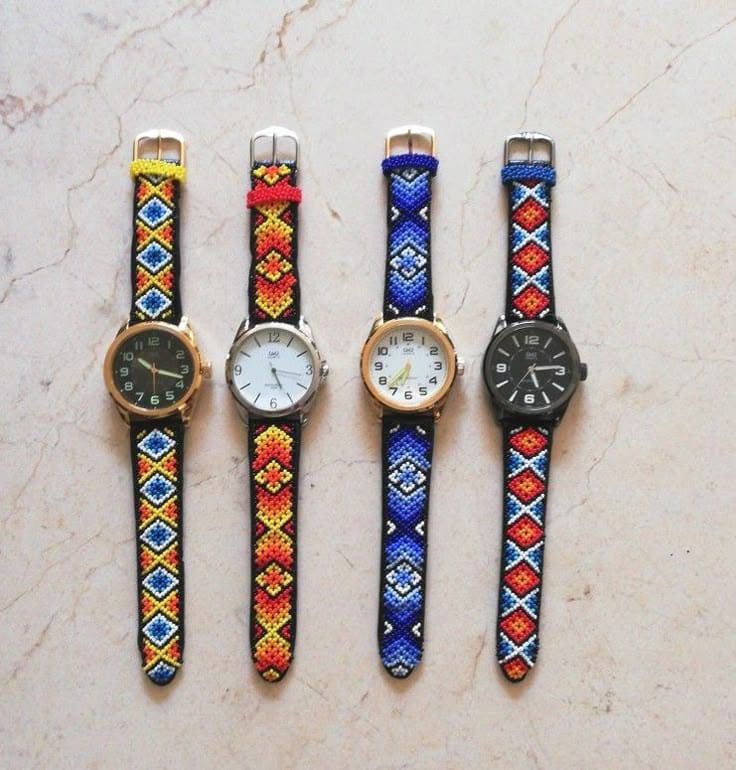
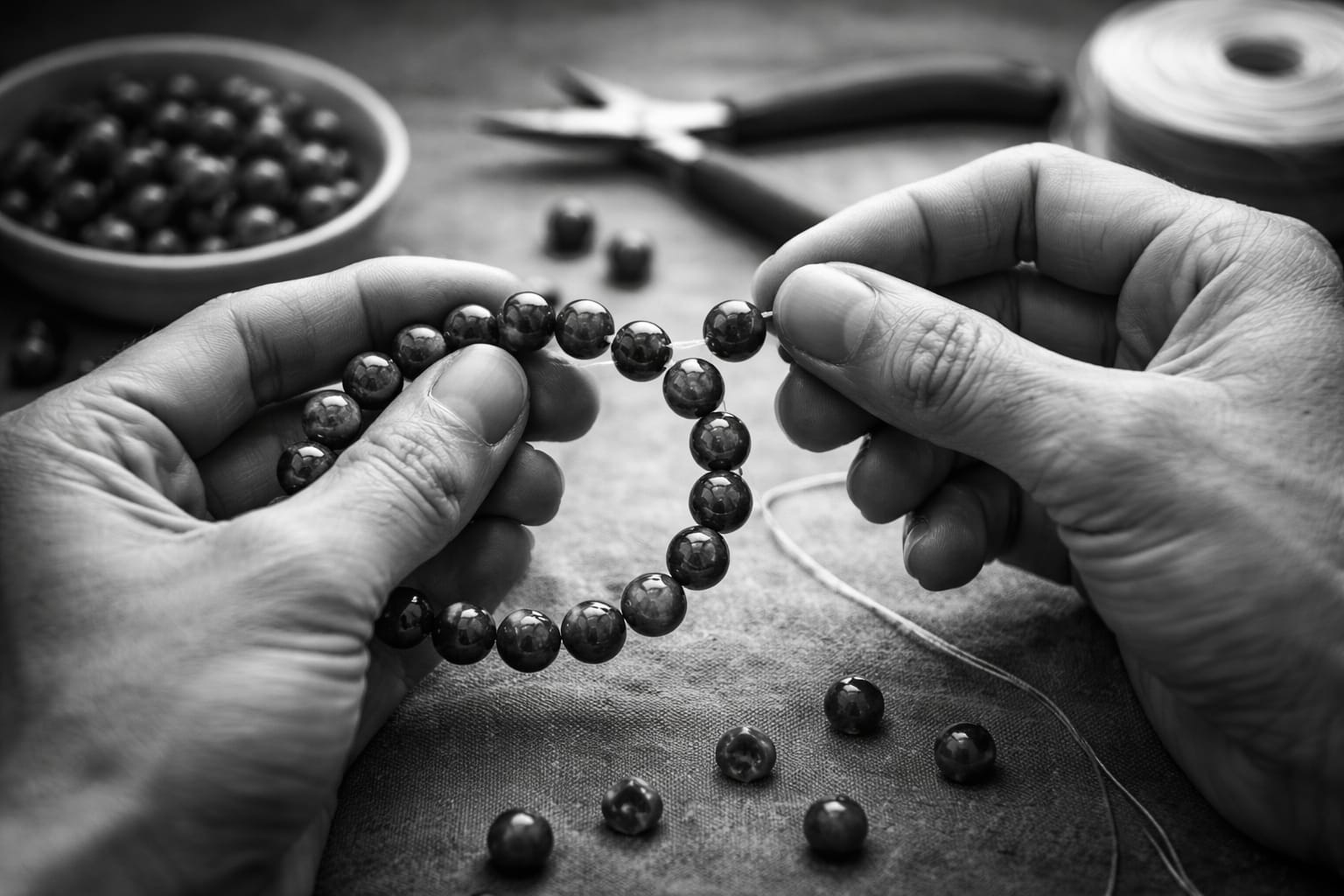
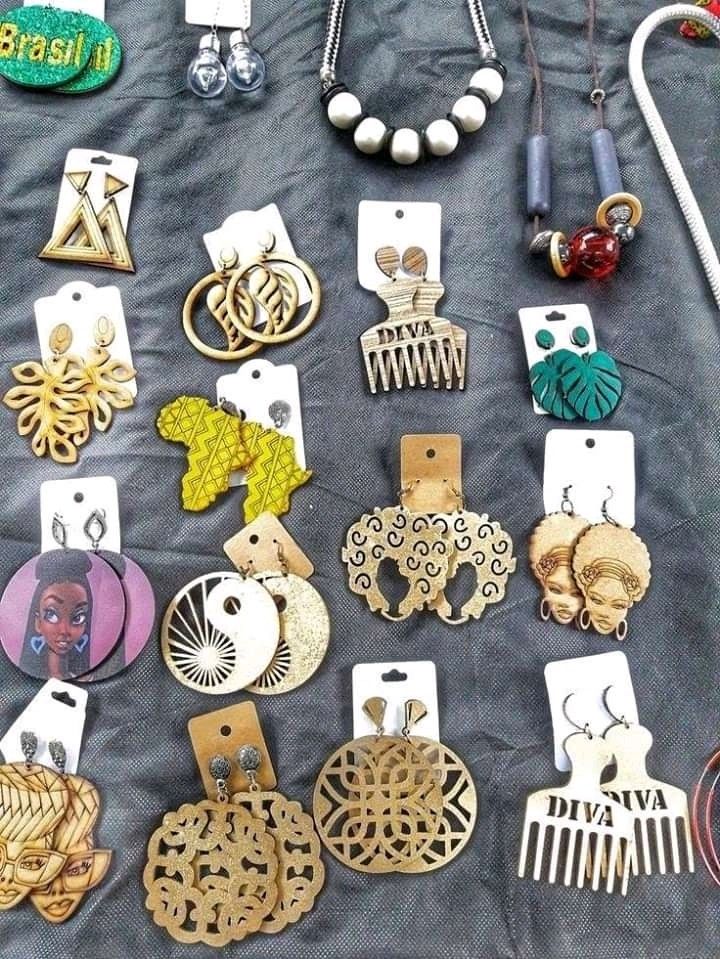
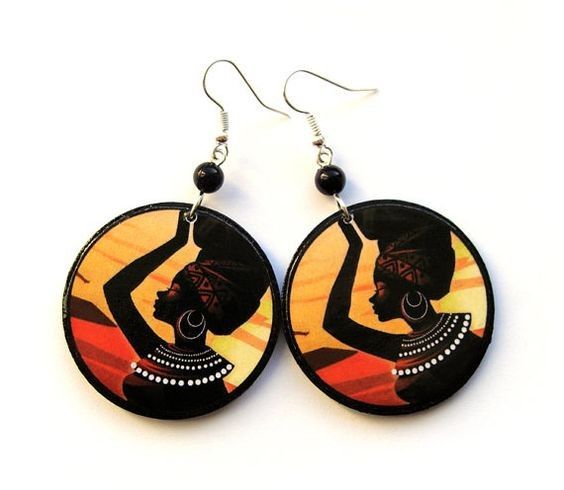
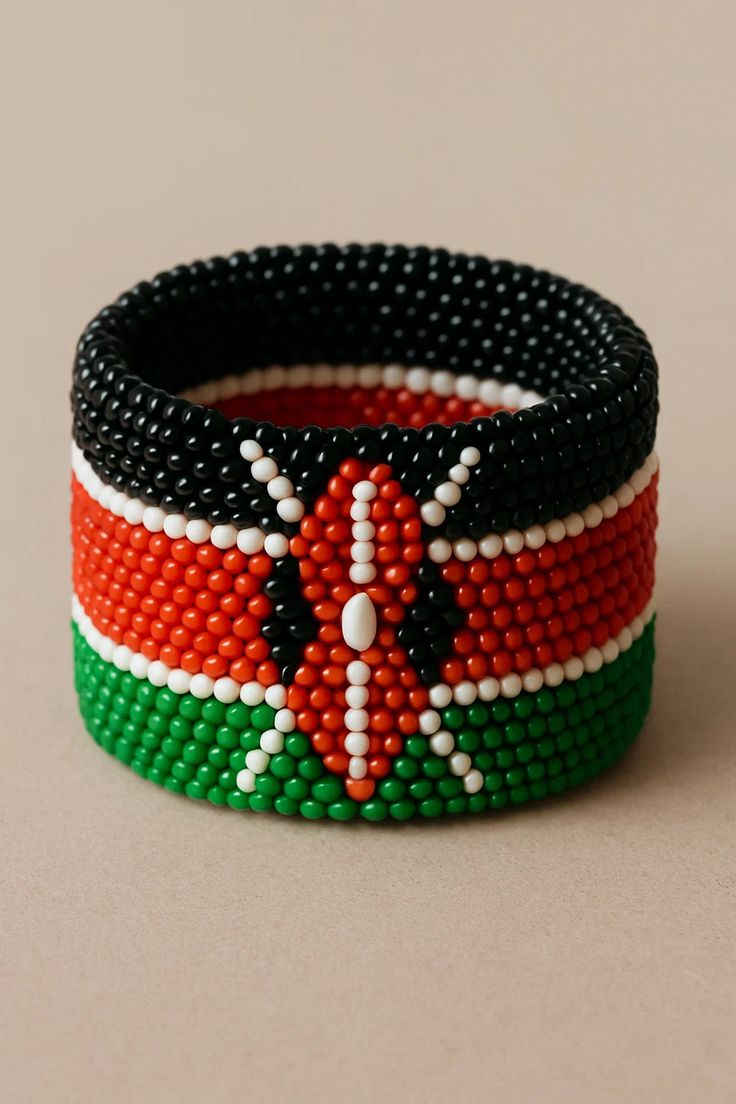
Every bracelet, necklace, waist bead, earring, tag, or baseball cap in our shop is handcrafted by parents in Kibera living with HIV/AIDS. Their skill and creativity turn simple materials into powerful tools for survival.
When you buy a tiger eye bracelet, a name bracelet, or a hand-beaded necklace, you are helping close the treatment gap. The funds from every purchase go first toward ARVs and essential care, so parents can stay healthy, stable, and present for their children.
Our work is simple but urgent: we connect global buyers with local makers, so that artistry in Kibera becomes reliable income, and reliable income becomes life-saving medication. Each item you wear is a quiet statement that treatment, dignity, and hope belong to every family.
Meet Our Team
The people behind the treatment bridge in Kibera
Behind every product in our shop is a small, committed team. Medical leaders, education partners, and community organizers work together to keep parents on treatment and children in school.
Founder & Medical Director
Dr. Joel Ogumbe – FAFU Medical
Dr. Joel leads INUA’s medical strategy, focusing on closing the ARV treatment gap for parents living with HIV/AIDS in Kibera. He ensures that funds from every purchase translate into real access to medication and care.
Primary Partner
Crossing Thresholds (CT) – 4 Partnering Schools
Crossing Thresholds provides the education backbone of our work. Through four partner schools in Kibera, CT protects children’s learning, while INUA helps stabilize families through income from artisanal goods.
Community Relations Manager
Zipporah
Zipporah walks closely with families and artisans in Kibera. She coordinates training, listens to community needs, and helps parents turn their creativity into consistent income and dignity.
Key Stakeholders
Dr. Timothy – CT Founder/Donor; Dr. Richard
As the founder of Crossing Thresholds, Dr. Timothy has long invested in education and opportunity in Kibera. Together with Dr. Richard, he supports INUA’s medical and strategic oversight, helping ensure that resources are directed toward effective ARV access and holistic care for families.
About Kibera
Kibera is one of the largest informal settlements in the world, sitting on the edge of Nairobi, Kenya. More than a million people are believed to live in an area roughly the size of New York’s Central Park. Families from almost every ethnic group in Kenya call Kibera home.
Because the settlement is not fully recognized, basic services are severely limited. There is no formal sewage system, clean water is scarce, and there are far too few schools and health facilities for the number of people who live here. Homes are often no bigger than 8 by 10 feet and can hold anywhere from 2 to 8 family members.
Kibera is a very young community. Around three-quarters of residents are under the age of 18, and more than half a million children are under 12. Many of these children have lost one or both parents, and more than 150,000 are orphans. Poverty, lack of steady income, and food insecurity make it difficult for families to meet even their most basic needs.
Education is mostly provided by community and non-governmental schools that rely on donations rather than government funding. Even then, nearly 40% of school-age children are not in school, with girls being affected the most. Of those who finish primary school, only a small fraction are able to go on to high school. Young people who are out of school face higher risks of drug use, violence, early pregnancy, and being trapped in generational poverty.
Kibera’s history goes back to the early 1900s, when land on the outskirts of Nairobi was set aside for Nubian soldiers returning from war. Over time, more and more people moved in as the city grew and formal housing remained unaffordable. Today, the land is owned by the government and controlled largely through leases to landlords, while most residents remain without secure rights or access to proper services.
In the middle of these hard realities, Kibera is also full of life, creativity, and strength. Markets, churches, schools, and small workshops fill its narrow paths. INUA stands inside this story—working so that families living with HIV/AIDS in Kibera can access treatment, keep their children in school, and build a future with dignity.


Our Path to Sustainability
01
02
03
Artisanal Skill Building
Healthcare Access
Empowered Education
We empower parents through intensive training in creating high-quality, export-grade artisanal goods, turning traditional crafts into sustainable livelihoods.
Funding generated from our artisanal exports directly supports medication and comprehensive healthcare services for families affected by the funding crisis.
We ensure that every child in our program has access to nutrition and education, bridging the gap between vulnerability and a brighter future.